
-
9036 Reseda Blvd #105 Northridge, Ca 91324
-
Email Address quotes@movieinsure.com
-
Phone No 1.888.959.0772
Stunt Library · Railroad
Railroad Scenes
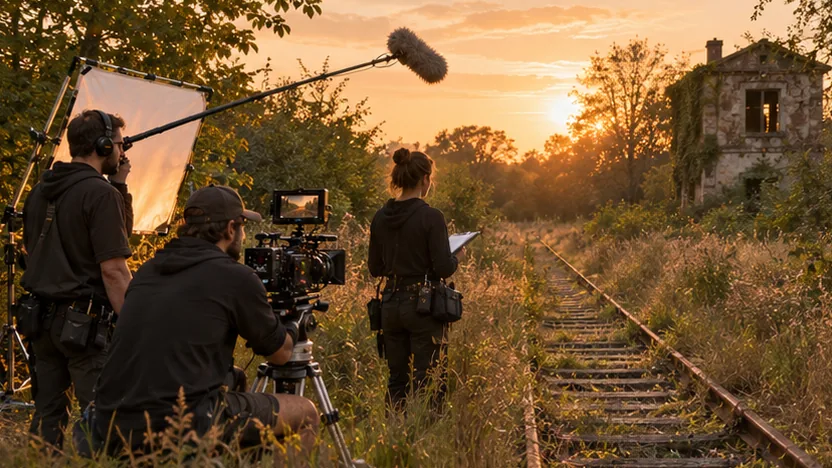
Train stations, old track and vintage trains make great locations. Railroads are strict about who comes near their property, and they will usually ask for specific insurance before you get access.
Key points
- Railroad scenes range from stations and inactive track to scenes with moving trains.
- Railroads almost always ask for Railroad Protective Liability before they give access.
- A railroad endorsement on the production policy is available, but it is not the same as Railroad Protective Liability.
- Filming on active track needs its own policy, which we arrange.
- Railroad scenes can’t share a policy with workers’ comp.
Types of railroad sceneWhat the railroad will ask forWhat underwriters want to knowWhat you'll need on setReal-world examplesWhat a declaration looks likeGood to knowCommon mistakesVideoFAQ
Types of railroad scene
Stations and platforms
Scenes at a station, often with a parked train.
Inactive or out-of-service track
Track that is no longer in use.
Scenes with trains
Trains moving in the shot, from light traffic to busy passenger lines.
Active track
Working on or next to track that is in use. This needs its own policy.
What the railroad will ask for
Railroads protect themselves before they let a crew on their property. Expect them to ask for Railroad Protective Liability (a separate policy that protects the railroad), plus a certificate naming them. They may also have their own safety rules, briefings and fees.
Two different things: a railroad endorsement can be added to many production policies, but railroads usually want Railroad Protective Liability itself. We place both.
What underwriters want to know
- The location. Station, inactive track, or track in use, and how busy the line is.
- The action. Whether trains move in the shot, and how close cast and crew get.
- The railroad’s contract. What insurance and limits the railroad requires.
- Safety. The railroad’s own safety rules and who on your crew follows them.
What you'll need on set
The railroad’s written permission
And its insurance requirements, early.
The right policies
Railroad Protective Liability and any endorsement the railroad asks for.
A safety briefing
Following the railroad’s rules.
Stay off active track
Unless the railroad has approved it and the extra policy is in place.
Real-world examples
The station platform
Actors wait on a platform while a parked heritage train sits behind them. A station scene, with the railroad's paperwork in place.
The abandoned line
A crew films on old track that has not seen a train in years. Confirm with the owner that it is truly out of service, and get their requirements.
The passing train
A train passes behind actors at a crossing. The railroad will want Railroad Protective Liability and its own safety rules.
What a declaration looks like
An example of the details to send for one stunt scene (made up for illustration):
| Scene | 22: station goodbye |
|---|---|
| Stunt | Actors on a platform, parked train, no train movement |
| Category | Railroad: station |
| Railroad requirements | Railroad Protective Liability and a certificate naming the railroad |
| Dates | Shoot day 5 |
| Safety | Railroad safety briefing, crew stays behind the platform line |
Good to know
Lead time
Railroads can take weeks to approve a shoot. Ask early.
Heritage railways
Museum and tourist railways have their own rules and insurance needs.
Crossings
Road crossings are railroad property too.
Common mistakes
Showing up without the railroad’s paperwork
Get the insurance requirements before you book.
Assuming an endorsement is enough
Railroads usually want Railroad Protective Liability.
Treating old track as safe
Confirm it’s really out of service.
Watch: Filming Near Train Tracks
Cam explains what the railroad will ask for before you film near train tracks.
Common questions
Can we film on an active railroad track?
Yes, with the railroad’s approval and an additional policy, which we arrange.
What is Railroad Protective Liability?
A separate policy that protects the railroad when work or filming happens on or near its property. Railroads almost always ask for it.
Is a railroad endorsement the same thing?
No. An endorsement can be added to the production policy, but it is different coverage. Railroads usually want Railroad Protective Liability.
Can railroad scenes share a policy with workers’ comp?
No. Tell us you need both and we’ll help you set it up.
Do we need railroad insurance for a station scene?
Railroads usually ask for Railroad Protective Liability even for station scenes. Check their requirements early.
How long does railroad approval take?
It varies, often several weeks. Start as soon as the location is chosen.
Is a heritage railway different?
Museum and tourist railways set their own rules, but they usually still ask for specific insurance.
Ready to add your stunts?
Our team at MovieInsure places stunt coverage for productions of every size: short shoots, annual policies and features. Tell us what the stunt is and when you shoot, and we'll tell you what's needed.
Or call 1.888.959.0772 · quotes@movieinsure.com

More from the Stunt Library
Can't Be Insured vs. Needs Its Own PolicyHow Stunt Insurance WorksStunts & Workers' CompBefore Stunt Day: ChecklistStunts by ProgramPrecision Driving, Chases & Crashes
StuntInsure.com is an educational site from MovieInsure.com, Inc., a licensed insurance agency (California License No. 0I32322). Coverage depends on the program, the policy and underwriting approval; this page explains how it usually works and is not a promise of coverage.